
To create effective ad copy that sells is both an art and a science. Whether you’re writing for Google Ads, social media, or print advertising, your words must capture attention, generate interest, and drive action. A well-crafted ad copy can significantly boost conversions, engagement, and brand awareness. In this guide, we’ll break down the key elements of high-performing ad copy and provide actionable strategies to help you craft compelling messages that drive results.
1. Know Your Audience
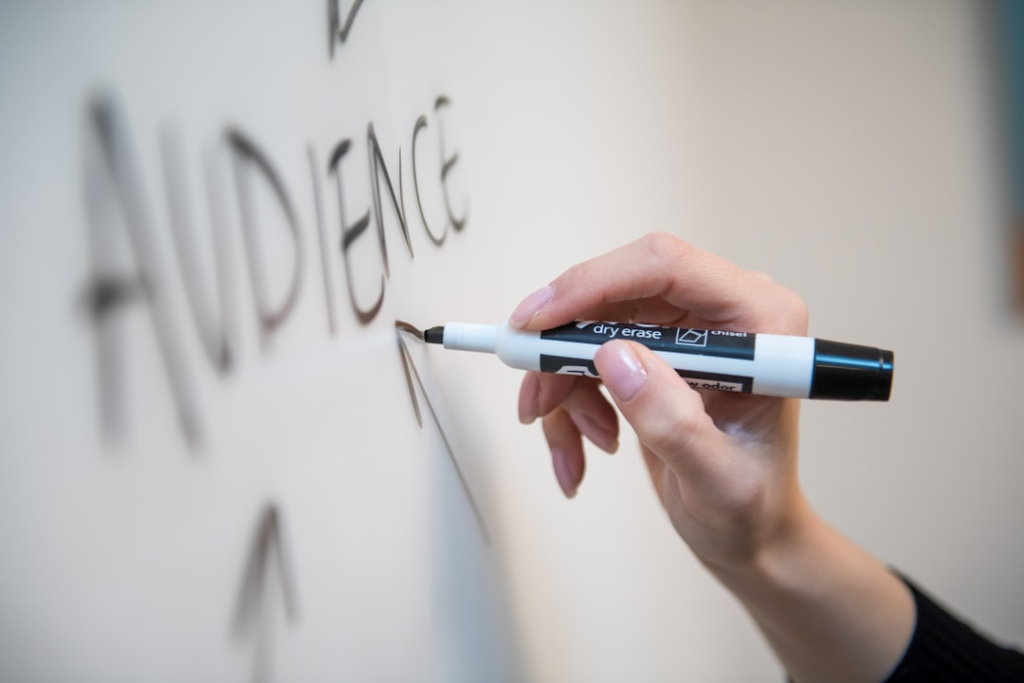
Before you write a single word, you must understand your audience. Without a deep understanding of their needs, pain points, and desires, even the most well-written copy will fall flat. Here’s how you can get to know your target audience:
- Conduct Market Research – Use tools like Google Analytics, Facebook Audience Insights, and customer surveys to gather data.
- Create Buyer Personas – Define demographics, psychographics, and behavioral traits of your ideal customers.
- Analyze Competitors – Study their ad copy and identify gaps that you can leverage.
By aligning your ad copy with your audience’s interests, you create messages that resonate and convert.
2. Craft a Compelling Headline
Your headline is the first thing people see, and it determines whether they continue reading. To create an attention-grabbing headline:
- Make It Clear and Concise – Avoid jargon and keep it simple.
- Highlight a Benefit – Explain what’s in it for the reader.
- Use Power Words – Words like “exclusive,” “proven,” “effortless,” and “instant” can evoke emotions and curiosity.
- Include Numbers – Example: “Boost Your Sales by 30% in 7 Days.”
Example of a Strong Headline:
Weak: “Get Our Marketing Tool Today.” Strong: “Skyrocket Your Leads with This AI-Powered Marketing Tool.”

3. Focus on Benefits, Not Just Features
Customers care about how your product or service can improve their lives. Instead of merely listing features, translate them into benefits.
- Feature: “Our laptop has a 10-hour battery life.”
- Benefit: “Work all day without worrying about running out of power.”
Frame your copy around how your offer solves a problem or fulfills a need.
4. Use Persuasive Language and Psychological Triggers
Certain words and techniques can make your ad copy more persuasive:
- Social Proof – Mention customer testimonials, reviews, or endorsements.
- Scarcity & Urgency – “Limited stock available” or “Offer ends soon.”
- FOMO (Fear of Missing Out) – “Join 10,000+ happy customers today!”
- Authority – Cite statistics, expert opinions, or well-known brands using your product.
5. Keep It Concise and Scannable
People skim ads quickly, so keep your copy short and to the point. Use:
- Bullet points
- Short paragraphs
- Bold and italicized text for emphasis
- Simple and clear language
6. Use a Strong Call to Action (CTA)
Your CTA tells the reader what to do next. A strong CTA should be:
- Action-Oriented – “Sign up now,” “Get started today,” “Claim your discount.”
- Urgent – “Limited-time offer,” “Only a few spots left.”
- Benefit-Driven – “Get your free guide now and start saving!”
Examples of Effective CTAs:
- “Claim Your 50% Discount – Offer Ends Tonight!”
- “Download the Free eBook and Boost Your Marketing Skills!”
7. Test and Optimize Your Copy
Even the best copywriters rely on testing to refine their ads. A/B testing different headlines, CTAs, and formats helps identify what works best. Use tools like:
- Google Ads A/B Testing – Compare different versions of your ad.
- Facebook Ad Manager – Test variations of images, text, and headlines.
- Heatmaps & Click Tracking – Analyze how users interact with your ads.
8. Format for Different Platforms
Each advertising platform has unique requirements:
- Google Ads – Prioritize clear headlines and include keywords.
- Facebook & Instagram Ads – Use engaging visuals and conversational tone.
- LinkedIn Ads – Maintain a professional tone with industry-relevant language.
- Email Marketing – Personalize subject lines and body text.

9. Avoid Common Mistakes
- Being Too Vague – Avoid generic phrases like “We offer the best service.”
- Overloading with Information – Keep it concise and digestible.
- Ignoring Mobile Users – Ensure your copy is optimized for mobile devices.
- Using Too Many Jargon Words – Speak in the customer’s language.
10. Examples of High-Converting Ad Copy
Here are a few examples of effective ad copy across different industries:
E-commerce:
“Flash Sale: 24 Hours Only! Get 50% Off All Electronics – Shop Now Before It’s Gone!”
SaaS:
“Struggling with Team Productivity? Try Our AI-Powered Project Management Tool – Free for 14 Days!”
Fitness:
“Lose Weight Without Starving! Get Your Personalized Meal Plan Today.”
Conclusion
Effective ad copywriting is about understanding your audience, writing compelling and benefit-driven messages, and continuously testing for improvements. By following these strategies, you can create ads that not only attract attention but also drive meaningful conversions.
Additional Resources
- Google Ads copy Guide
- Facebook Ad Copy Tips
- HubSpot’s Guide to Writing Ads
- More Blog Posts from Elevation Peaks
By implementing these best practices, you’ll be well on your way to writing ad copy that truly sells!


