When in the online space, driving traffic to your website is only half the battle. The true measure of success is how effectively you convert those visitors into customers, subscribers, or leads. Whether you’re running an eCommerce store, a SaaS platform, or a blog, increasing your website conversion rates can lead to higher revenue and greater engagement. In this guide, we’ll explore proven strategies to boost your conversion rates and turn your website into a high-performing sales and lead generation machine.
Understanding Website Conversion Rates
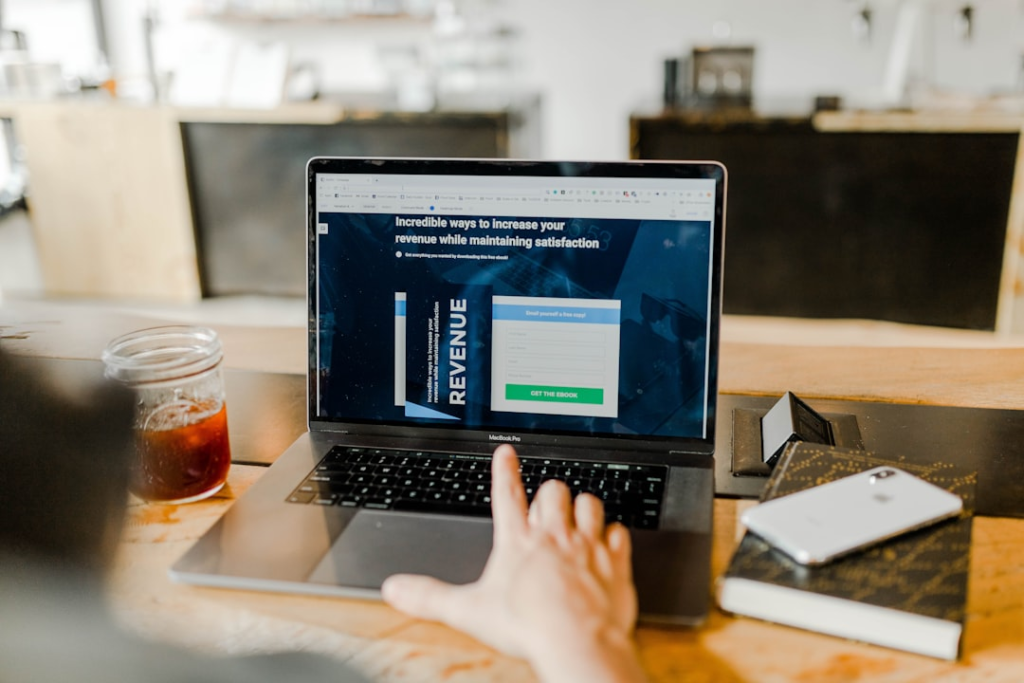
Your website conversion rate is the percentage of visitors who complete a desired action on your site. This could be making a purchase, filling out a form, signing up for a newsletter, or any other goal you have set. The formula for calculating your conversion rate is:
Conversion Rate (%) = (Number of Conversions / Total Visitors) x 100
For instance, if your site receives 10,000 visitors per month and 500 of them take the desired action, your conversion rate is 5%.
1. Optimize Your Website’s User Experience (UX)
A seamless and intuitive user experience is critical for conversion optimization. A cluttered, confusing, or slow website can drive potential customers away. Here’s how to improve UX:
a) Improve Navigation
Ensure your website’s navigation is intuitive. Users should find what they’re looking for within seconds. Use clear menu structures, breadcrumbs, and search functionalities to enhance user experience.
b) Optimize Page Load Speed
Studies show that a 1-second delay in page load time can reduce conversions by 7%.
c) Make Your Website Mobile-Friendly
With more users browsing on mobile devices, having a responsive website is crucial.

2. Craft High-Converting Calls-to-Action (CTAs)
Your CTA is the bridge between visitor interest and action. A weak or unclear CTA can result in missed conversion opportunities. Here’s how to make your CTAs more effective:
- Use action-oriented language such as “Get Started,” “Try for Free,” or “Download Now.”
- Ensure CTAs stand out by using contrasting colors and strategic placement.
- Minimize distractions around the CTA to keep the user’s focus.
3. Leverage A/B Testing for Data-Driven Decisions
A/B testing (or split testing) involves creating two versions of a webpage element (e.g., headlines, CTAs, images) to determine which performs better. Here’s how to run an A/B test effectively:
- Identify a specific element to test.
- Split your audience randomly into two groups.
- Analyze the results using tools like Optimizely or Google Optimize.
- Implement the winning variation.
Continuous A/B testing ensures your site evolves based on real user data rather than assumptions.
4. Build Trust with Social Proof and Reviews
Trust is a major factor in online conversions. Visitors are more likely to take action if they see others have had a positive experience. Ways to build trust include:
- Displaying customer testimonials and reviews (use platforms like Trustpilot).
- Showcasing client logos, certifications, and security badges.
- Featuring user-generated content and case studies.
For an in-depth look at using social proof, visit 11 Ways to Use Social Proof in Your Marketing.
5. Simplify Forms and Reduce Friction
Long or complex forms can deter potential conversions. To improve form completion rates:
- Only ask for essential information.
- Use multi-step forms for better user experience.
- Implement autofill and error validation to make form submission seamless.
Tools like Typeform allow for interactive and user-friendly forms.
6. Utilize Exit-Intent Popups
Exit-intent popups detect when a user is about to leave your website and present a compelling offer to keep them engaged. This could be a discount, a free resource, or a limited-time deal. Popular tools for exit-intent popups include:
7. Offer Live Chat and Chatbots for Instant Support
Potential customers often have questions before making a decision. Implementing live chat support can provide instant answers and increase conversions. AI-powered chatbots can also help automate responses and guide visitors.
Platforms like Drift and Intercom make it easy to add chat functionality to your site.
8. Optimize Your Pricing and Value Proposition
If your pricing page is unclear or overwhelming, potential customers may hesitate to convert. Here’s how to improve it:
- Use a clear and simple pricing structure.
- Highlight key benefits and value propositions.
- Offer money-back guarantees or free trials to reduce risk.
9. Personalize User Experience
Personalization can significantly boost conversions by tailoring content and recommendations based on user behavior. Ways to implement personalization include:
- Using dynamic content based on location or browsing history.
- Sending personalized email follow-ups.
- Implementing AI-driven product recommendations.
For more on personalization, check out HubSpot’s guide.
10. Retarget Visitors with Remarketing Campaigns
Most visitors won’t convert on their first visit. Retargeting ads remind them of your offerings and bring them back to complete the action. Popular remarketing platforms include:
Final Thoughts
Improving your website’s conversion rates is an ongoing process that requires testing, optimization, and user-centric strategies. By implementing the tips outlined above, you can create a more engaging, high-converting website that drives business growth.
Do you have any strategies that have worked for increasing your website’s conversions? Share your insights in the comments below!
Check out the rest of our blog!